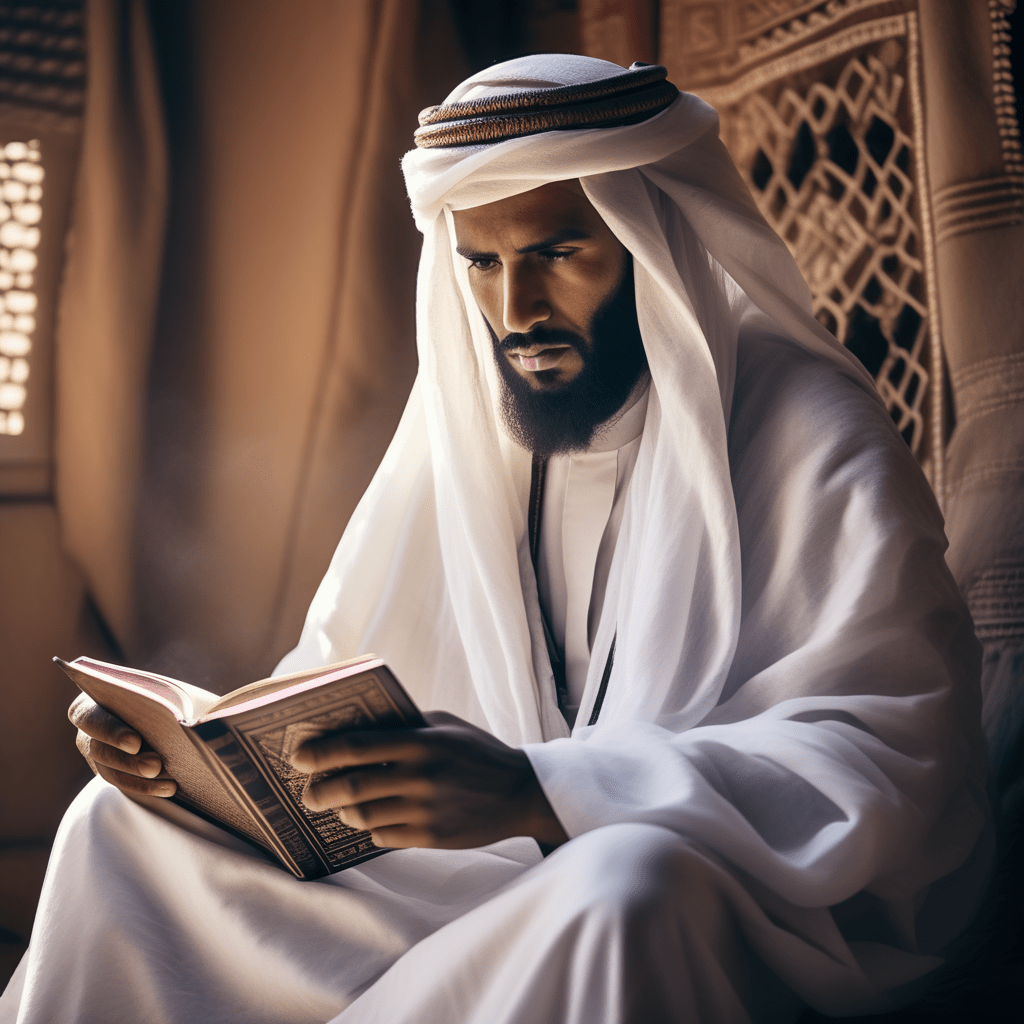
What does Ijma mean?
Ijma means to gather, jamaa means a gathering Imam hattab says Ijma is the 3rd of the 4 tools used in fiqh. The first is the book (Quran) the 2nd is the sunnah the 3rd is Ijma and the 4th is qiyas. Surah Yunus verse 71, the linguistic definition means determination “Allah says determine your affair” a technical meaning of Ijmah in regards to fiqh means according to Imam hattab “agreement of the scholars of the age the modern time, the nation of Mohamed upon a circumstance” there is no consideration given to the masses of common people in regards to this! This means that Islam is an unequal democracy in which the Ulema yield more power and voice than the common men. That consensus of the Ulema is that that the consensus is learned men and the wisdom behind it is the laymen may have not studied the religion from its sources such as the book and sunnah. In modern times Muslims are no longer concerned with educating their sons and daughters to be alims in the classical age the average person was illiterate as well as books were scarce especially for the poor person. It is reasonable to not take their views as canon on a topic due to their lack of intellect. In modern times nearly anyone can read and write despite being poor although they may or may not read at the level of anyone else.
Islam doesn’t give out paperwork to prove that you are a certified Alim compared to other groups. In the Ummah of Mohamed in modern times there are people who are mildly educated on Islam and Islamic topics If you can read and write in Arabic read books of fiqh alone if you were to go back in time to a village in the Muslim world it is easy to say you would have become the local Alim. The bar is not set to zero you have to know some of the Muslim sciences to be considered an alim even if you are the less simple among simpletons. Vast numbers of people have access to the sources now so we have many Ammis if not sheikhs as the goal of scholarship changes with time and the idea of level of ilm of a scholar has increased in our modern times (the bar of entry although the classical scholars were greater).
The Muslim diaspora?
The Muslim diaspora are more interested in learning the religious aspects than most of the Muslims living within the Muslim world who do not feel they have to study their religion and defend it and impute it to their children. The average western student of ilm is more knowledgeable than most of the Muslim world.
Imam Hattabs clarifies the people of Ijma are the fuqaha
Imam hattab says those of Ijma are the fuqaha Imam hattab adds “it refers to Mujtahideens” Imam hattab says you only need the top scholars not everyone who has studied this is a great point as the less amount of people in an Ijma means its more feasible to get an Ijma on a topic. The ulema may speak to other Mujtahids in a region or land and agree upon a topic that would be an Ijma for the Muslims in that area although outside of it would not be aware of that Ijma. Ijma require different amounts needed to officiate some make the Ijma difficult to achieve while others have a lower bar. Ijma is not a binding thing as its difficult to achieve a Ijma some ulema reject Ijma but rejecting Ijma itself is rejected. Ijma of previous generations has presence over later generations which gives stability and consensus. Ijma is usually used to change established rulings and one way to change what is known is to remove the Ijma upon that topic and this is notoriously used by Islamic reformers.
What is meant is explained
What is meant by even explained by Imam hattab on the defining an event is referring to a shari’ event as opposed to thinks which are linguistic questions. Linguist deal with language and the people of tassawuf handle the problems of the heart (people of tazkiya). The Ijma of the Ummah is a hujjah due to the statement of the prophet who said my Ummah will not unite upon misguidance. The prophet said there will never be an Ijma of misguidance which gives legitimacy to the concept of Ijma in regards to Aqeedah and fiqh, if you get an Ijma upon a thing it can be considered correct even if its not the most correct but it cannot be considered as wrong but the question is who is within the Ijma in these scenarios.
Ijma of the common Muslims and the well studied regarding their governments
The average from the lay Muslims from around the entire Muslim world dislike and hate their governments as well as many scholars who may or may not publicize their dislike and hate of the governments if they feel inwardly such a belief. The biggest issue in modern Ijma of many in modern times is the belief and nation that modern Islamic nations are controlled by people of disbelief or controlled by western nations therefor not having true dominion over the Islamic land which by extension is harmful to Islam and Muslim. This is a relevant modern topic that makes certain groups of Muslims feel uncomfortable as Ijma of the Ummah or Awam does not always align with the beliefs of other Muslim sects and groups and of the scholarly class. The Muslims will differ upon which scholars are in the Ijma would it be the Deobandis and the scholars of Deoband or the Salafis of the gulf and their Ijma or is it the Malikis of north Africa and their Ijma? One group of Muslim might belittle another group of Muslims for their Ijma and feel their Ijma is more solid or correct.
Ijma is 1 of 4 types of proof
Ijma is 1 of the 4 types of proof with the Quran and Sunnah being the first 2 then Ijma and Qiyas being the last 2 totally 4 modes of proof. Qala musanaf Imam Juwayni speaks about what makes Ijma a hujjat (proof) one of which is the hadith of my Ummah will never agree upon misguidance, the entire Ummah will never have Ijma upon misguidance perhaps you will have a plurality who will disagree or a section but never the entire ummah, “the divine law narrates and records al isma” The prophet is infallible in his transmission of religion while the Shia would refer to their Imams as being in fallible. Imam Hattab adds its narrated in tirmidhi Kitab al fitan. Significant point here “Ijma is a proof (hujjah) even on people of another age (after the time of the writer)” Ijma sets a precedence that cannot be normally be overturned! If the Ulema establish a Ijma upon a topic it can be binding indefinitely and that is why we do not have conferences that discuss what has been established in antiquity.
Some say Ijma is responsible for the intellectual decline of Muslims
Once an Ijma is established upon a particular topic then the Muslims will no longer debate and try to rework out what has already been established in example Muslims do not debate Salah anymore as it’s already been worked out whereas in science is dynamic and ever changing and has the presumption that there is more to discover and its not all worked out. The Muslim who seeks an opinion on a topic would instead of investigation and coming with new data and understanding would seek to look at what has already be said and established which in a way is the opposite of science in some respect (but it is not binding as research is needed for new issues to establish a new Ijma), this phenomenon comes with the presumption that Islam is true therefore what is confirmed need not be reworked but revived (returning earlier sources). In our modern times many of the issues that are found in the religion have already been worked out, when people seek to change or corrupt religion, they will attack the concept of Ijma as they need to destroy Ijma in order change what is known in the religion with a new ruling as we see in our modern times this is the case although not fully successful at changing and reforming the deen. Ijma is a hujjat in any era whether the time of the companions or any era after them!
Interesting point regarding the view of the Dhahiriyya
The footnote illustrates this point to refute the dhariyah as the view of Dawud Dhari held the view Ijma is only for the time of the sahaba and not after them! The Dhahiri went against main stream sunni beliefs as they do not belief that Ijma is after the time of the sahaba allowing them to make new ways of understanding the religion whereas the Sunni view believe the Ijma bind after the sahaba but to give the Dhariya lenience the Muslims today are 2 billion in number and scattered around the globe so its harder to have a Ijma in our time whereas in the time of the companions all of the Muslims where in a small area and upon one accord (in terms of deen and understanding). In our modern times sub sects of Muslims cannot agree easily upon a thing some might only follow the ulema of Saudi Arabia or others might rely upon the scholars of Indonesia or of Africa which gets into the concept of sectarianism some feel if you are not of their group your scholars are mubtadi’a and not worthy of being followed
Imam Hattab and Imam Juwayni agree upon this point
“it is not a condition of the hujjaya (proof of consensus) that the generation who made it passes away due to the silence of proof indicating to proof of that regards” Imam Hattab and Imam Juwayni say that if the mujtahidun come to an agreement on a point it cannot be undone in their generation or after them even before they die. It was stated by some people the passing away of mujtahids for the validity of the Ijma” The logic was that the Mujtahid Imam could have changed his mind before he died Imam hattab responds to this and says “we say we do not allow someone to recant upon this” Meaning the Mujtahid Imam will not take back his views on the topic. If you have an ijma of 1 generation then you have a young guy who studies and works on his fiqh then he reaches the level of legal intellectual acumen then he disagrees with the contemporary mujthiduns of his time does that break the Ijma? Imam hattab says no even if you are apart of the generation and a bit younger or older but studied the Islamic law a little later it still would not break the Ijma bond that has been set.
Ijma is valid by statements
Imam Juwayni says the Ijma is valid by statement and Imam Hattab adds by saying “Ijma is valid with the statements (of the Mujtahideen)” what he means is the Ijma can be spoken words rather than written Ijma, this is called Ijma al qawli (spoken). Ijma can also be validated by the actions of the Mujtahids as Imam hattab writes “The mujtahids doing a certain action (collectively) is an indication of its permissibility.” That opposite is a Ijma which is rooted in falsehood which would be impossible as the Mujtahidun are masmun which means infallible (collectible in infallible in this case). On an individual level they are not infallible but whey they are in a collective they become infallible
Is there a Ijma upon who are the people of Ijma?
Mujtahids are recognized by other Mujtahids; Mujtahids are not crowned by a big institution upon people who have studied scared knowledge. You can be a mujtahid madel which a partial Mujtahid but to be a mujtahid mutluq there are books written on what are the criterion to be a Mujtahid but ultimately there are not binding steps to be considered a mujtahid. Sunni Islam is a self-regulating international structure that regulate and watches and corrects its own self. In countries like Egypt, you have to have a degree but, in the religion, itself does not demand an Azhar degree. Eventually after self-conversation and self-regulation of the Muslims who are laymen and studied there will be a Imam which reaches upon the top of the Muslims in his age in deen. If you go to Islamqa they will provide you with an answer as well as the Azhar will give its own interpretation and requirements whereas in 12ver shia are not fluid and dynamic in this regard they have a clear idea of what they consider for their Mujtahid Imams and for the Christians you find the magisterium of the church that collective. In the scientific community they also establish Ijma upon certain topics which is seen as a proof for a particular theory (such as you can never go faster than light on the speed of it or similar to it) but if another scientist brings demonstrative evidence that goes against Ijma the Ijma would be forced to dismantle their view in favor of what has evidence to prove its claim which shows us the concept of religion and science and how they differ in things.
What if Mujtahid Imams do something incorrect?
Had the Mujtahid Imam did something incorrect it would be stopped before it becomes an ijma (as the truth is already within the deen) in example the sahaba putting it in book form text (mushaf) there was an Ijma upon this but there are a few differing opinions on the companions regarding this. Uthman Ra ordered the mushaf to put it together, we can speculate some of the early Muslims saw the compiling of the mushaf as bidah as the prophet had established an oral tradition rather than purely written. When the Hadith had been collected people felt this because it was an oral tradition that was spoken then explained as they disliked for people to read hadith despite not knowing their proper meanings (even If they understand its spoken word). Imam hattab states circumcision as a Ijma by action “however by its actual obligation by sunnah it is there are differing opinions upon it.” Imam hattab adds “Ijma subkuti” which means silent Ijma “silent Ijma is when you have some Ijma who say or do something and some who don’t.” If some of the Mujtahids are aware of the view of some of the mujthaids and they do not rebuke it then you have an implicit Ijma. The apparent statement of the author Imam Juwaynis says “there is ijma and there are differing opinions on it (what constitutes it).”
Modern attempts of Ijma such as fiqh conferences
In our times there have been numerous attempts at trying establish a Ijma upon contemporary (modern) issues that are based in nearly every country. A popular association that is attempting this is the North American fiqh council which was established in 1986 in an attempt adopt and address issues of those living in the west in relation to Islamic fiqh. There is also the International Islamic fiqh Academy which has a 52 member state international organization to address the issues facing the Muslim Ummah (Global Muslim community) and bring some form of uniformity to the Muslims world wide.
Modern Fiqh councils are sectarian in nature leaving this ineffective (Ashari, Athari, Maturidi, Salafi)
Modern Fiqh councils are not free from sectarian divides and disagreement a perfect example of this is the Gronzy fiqh council of Chechnya which gathered over 200 Islamic scholars of the various sciences to define the Identity of the Sunni Muslim community. In simple terminology this means they sought to show that Sufi Islam and Ashari aqeedah is the authentic face of Islam and the authentic inheritors of the religion from the prophet peace be upon him and to de-legitimize those whom do not fit in the Ashari/Maturidi Aqeedah schools such as the people of Athar (Athari aqeedah). This fiqh council was met was much controversy and was mocked by those who may have been Athari in Aqeedah or those who follow the Salafi movement as it was directed and dispiriting them and their dawah and this concept goes both ways with those of the Salafi movement attacking Ashari/matiridi thereby not establishing any effective Ijma as we do not have a Ijma upon those who are the people of Ijma in our times.
Doubt in the authenticity of modern fiqh councils
Modern fiqh councils are also incredibly ineffective at winning the heart minds and trust of the Muslims world as it appears to many of the investigative youth that these fiqh councils are geopolitical tools of the west to give them a mouth piece to the ears of the Muslim youth in order to sway the opinions of the Muslims in a direction which is favorable to the west and its Allies. The international fiqh council has since its establishment has vowed to fight “extremism and terrorism” which in the eyes of revolutionary Muslim thinkers is an attempt to undermine the global Islamic freedom struggle as falsely labeling all forms of Islamic resistance as terrorism except that which benefits the west and its allies which over time would weaken Islam and Muslim leaving it as a religion of speech without action and this has certainty become a popular viewpoint of the zealous youth who wish to see social change and reform in the Muslim world. As we can see the Muslims are highly divided and are without a contemporary agreed upon Ijma thereby leaving the Muslims to take the rulings from the group or sect they are from while ignoring the views of the opposing side. In the time of the prophet he was the highest authority sought when the Muslims were in need of guidance and after him it was his trusted companions
Declarative statements and reports
Imam juwayni writes “a statement of a companion is not a hujjat upon other companions or a single statement” this means the words of the sahaba don’t override each other and this is itifqan there is ijam upon this. This is referring to a companion giving his singular view it does not become a hujjat upon the living companions or those after them. Imam hattabs says “In the older view is that it is a hujjat and this is the view of Imam malik as per the Hadith (My companions are like the stars anyone of them you follow and you shall be guided).” Some of the hadith graders claim this hadith is weak “the mention of one of these aqwal does not “if you have 2 statements of the companions that disagree it overrides your ability to take one as a hujjat.
Imam Hattabs disagrees with Imam Malik on this point!
Imam Malik thinks the views and actions of a companion is a proof, the view of Maliksm is the amal of Medina and part of it is the companions themselves. This makes sense as the companions are the people who were closest to the prophet and saw the religions practiced properly on a daily basis but the problem is the companions often disagree upon things. Much of the differing in the modern Muslims originates to the disagreements of the older Muslims (earlier generations). Imam Hattab does not mean that the views of the sahabah are not valid but that it is not a hujjat as the companions are on equal level of authority not one above the other so it would be advisable to follow them not that its obligatory in the sense of hujjat.
The rank of the companions
Some of the companions were higher than others in rank we must remember we are not referring to hadith but the STATEMENTS other than hadith statements of the companions of the prophet and Imam hattab is less able to accept the statements of the companions which differ from one another as a hujjat Imam hattab is resistant to move a singular view of a companion to the level of Ijma in which all of the companions agree upon a thing. If every companion agreed upon a thing then all of the Muslims would agree it’s a hujjat even the dhahiris would agree but in terms of differing statements it would be advisable to take a statement but its not a binding proof until it becomes a ijma.
 Authentic Maliki
Leave a comment