What is a madhab?
A madhab is a stream of Islamic knowledge and legal juristic rulings compiled by generations of illustrious Imams and prolific Islamic writers who complied and codified the understanding of Quran and Sunnah according to the understanding of the prophet and his companions by the earliest generation of Muslims preserved until now through the 4 agreed upon madhabs. Through the madhahab you follow the authentic Islamic interpretation of the prophet and his companions
Linguistic breakdown of the word madhab
“Mad” means a place which something is done and “dhab” at the end of the word means a place or path, in example a place in which someone who trekked before you or upon the path you will take. Through the Madhab you are trekking upon path of understanding the early Muslims in fiqh understanding
The 4 known madhabs and other forgotten madhabs
You may have only heard of the 4 agreed upon madhabs (Maliki, shafi’i, hanifi, hanbali) but there were more madhabs in the history of Islam that gradually fell out of practice such as the jariri school or the Awza’i school. These Madhahabs did not fall out of practice because they were false but rather they slowly fell out of popularity & fell out of use over time in favor of the 4 agreed upon madhahabs but it should be noted that some madhabs did have some issues in creedal aspects.
Each Madhab correlates to a specific creedal school of thought
Each of the 4 agreed upon madhabs correlates to belief in a sunni creedal school of thought although you are not required to believe in the creedal school most practiced in the madhab. This means is that majority of the adherents of that particular madhab will be upon a creed and not only the laymen but the great Islamic thinkers of the madhab as well. An example of this phenomenon can be observed that the adherents of maliki and shafi’I madhab most often espose belief in the ashari creedal school of thought, The hanbali madhab most often esposes the athari creedal school and Hanafi madhab most often espouses the maturidi creedal school. Following a particular madhab does not require the follower of the madhab to follow the majority creed it’s the usual case if you study the madhab in traditional learning institutions (Learning Maliki fiqh in Morocco they will teach Ashari creed as the standard).
What is fiqh and how are different schools of fiqh different?
Fiqh means understanding within the religion of Allah. The shariah definition is from imam jawayni a shafi’i authority who says the knowledge of rulings of the shariah legal ruling who are arrived at by ijtihad (legal reasoning) Is what fiqh means. Different schools of Fiqh differ in how they categorize actions and proofs and how they conceive the category of a certain things and how does it fit into the category of actions or into a category of things.
What makes Maliki fiqh unique from other schools?
The Maliki madhab is easier in terms of what you can eat as legitimate food compared to other madhabs where a type of food could be considered haram to them but considered halal to us. The adeela (Multiple proofs) in Maliki fiqh is also different than other madhabs that it takes different proofs and distinct adeela in example the amal of medina meaning the actions and traditions of the people of medina who lived in the lifetime of the prophet and witnessed him (Sahaba) and those directly after the prophet’s death is taken as a source of proof in Maliki usul. Malik ibn anas was born in 93 Hijri, 1 generation after the prophet’s death and lived in medina where the first Islamic state was established and in the city there were many Tabii’I were living spreading islamic knowledge. Imam malik was not the inventor of the madhab alone without help, he had many teachers that taught him Islam.
Hadith referring to Malik
It was foretold by the Prophet (SAW) that:
“Very soon will people beat the flanks of camels in search of knowledge, and they shall find no one more knowledgeable than the knowledgeable scholar of Madina.”
Al-Tirmidhi from Abu Hurairah (R.A)
In another transmission narrated by Al-Hakim from Abu Musa al-Ash’ari (R.A) the Prophet (SAW) said:
“People will go out from East and West in search of knowledge, and they shall find no one more knowledgeable than the knowledgeable scholar of Madina.”
Why is the Maliki madhab refered to as the school of Medina?
We are looking to follow the true sunnah of the prophet of what he did and taught so we are closest to following him as possible. We look at what the prophet did and what his companions did, we believe the companions are the greatest generation of Muslims and they knew the prophet and if anyone knows the prophet it would be the people around him who lived with him and learned from him for years. The malikis take it further that the prophet had died and we cannot ask him questions directly (you can see him in dreams) but not to derive fiqh so take it from the sources (adeela) the sahabis and the people who lived around the sahabis and they learned islam from the sahabis and the city of medina and for this reason the Maliki Madhab is known as the school of Medina as its based upon the practice of those living in Medina before and directly after the death of the prophet!
The usl of the Maliki madhab
The Maliki madhab uses this higharicahly order to derive evidences from the Quran and Sunnah!
- 1. The Qur’an.
- 2. The Sunnah.
- 3. Amal ahl-alMadina– The practice of the Madinites.
- 4. Ijmaa of the Sahabah – Consensus of the Companions.
- 5. Fatwa al-Sahabi – Individual opinion of the Companions.
- 6. Qiyas – Analogical deduction.
- 7. Customs of the Madinites.
- 8. Istislah – welfare.
- 9. Urf – Custom.
- 10. Sad al-zarai’ i– Closing the doors of uncertainties.
- 11. Mura’at al-Khilaf – observance of differences. Differences are usually observed
Medina had the most knowledge of all the cities
The biggest concentration of sahabis lived in Medina and it was the city of the prophet rather than others places and after decades of the other places did not have access to the prophet and many companions because they were far. The mailikites believe that the best bet to find the sunnah is to look toward the people of medina. To the Malikis the practice of Medina are a proof as they had the highest amount of living companions and scholars.
The Tahara vessel of the prophet and the greatest of the Maliki madhab
A demonstration of this is that a story a group of people came to medina to imam mailk and they argued about what is a mUd which is a vessel to use for taharah lets say how much is a litter and they argued what is a mUd and he comes back and brings a mUd the exact mUd that the prophet Mohammed used the exact mUd and that ended the convo. The muwatta speaks on what the people said and did and not just what the prophet said and did but also what others after him did and said in the city of medina.
Imam Malik was a stern imam
Imam Malik was a stern serious man, people where sometimes scared to ask him questions and he was extremely gifted in fiqh. People from around the world came to meet him to ask him questions relating to Islam and fiqh and he trained an enormous amount of students and many of them went to tunis despite their secular government the nation is Muslim.
The 7 fuqaha of Medina
The 7 fuqaha of Medina are as follows 1. Sa’id ibn al-Musayyab, 2. ‘Urwa ibn az-Zubayr, 3. Abu Bakr ibn ‘Abdu’r-Rahman, 4. Al-Qasim ibn Muhammad ibn Abi Bakr, 5. ‘Ubaydullah ibn ‘Abdullah ibn ‘Utba ibn Mas’ud, 6. Sulayman ibn Yasar and lastly 7. Kharija ibn Zayd ibn Thabit. These are among the men who knew the fiqh of the companions of the prophet in the city of Medina who gave fatawa in accordance to the understanding of the early Muslims. This is important because Medina is the city which bidah did not reach in the time of the early Muslims!
Ahlul athar (narrations) and Ahlul ra’i (opinion)
There was ahlul athar and ahlul araa’I, athaar is traditions and heritage like hadith and ra’I means opinions it’s a divide between fiqh and the salafi claim to be ahlul athaar and put more weight on the traditions such as hadith and not intellect to answer the questions.
The way of ahlul athar (narrations) is greater than the way of Ra’i (opinion)
Ahlul athar accept solid proofs but using intellect when there is a issue that is not clearly addressed. In the Hanafi school this is more common as they were not near as much sahabi as the people of Medina where there was a lot of hadith and people who met the prophet. The Hanafi school is valid but we disagree because we are maliki and think that our methodology is better. Today the hadith is wide spread and imam maliks teacher was a big proponent in applying your intellect and we malikis also do use intellect because even with all the hadith there is new situations that we must use intellect to solve it.
The Maliki Madhab is stricter than others
The maliki madhab is more refined orthodox system. We consider the 4 madahabs as valid and we do not attack or criticized others even if there are differences and if what they do is haram in our own madhab we accept that we are differences. Imam mailk was asked by the caliph of the Islamic state of his time and he offered imam mailk to make his book the laws of the land and imam malik said no I do not want it and he cited the hadith “My Companions are like the stars, whichever of them you follow you will be rightly guided” (scholars debate the authenticity of the hadith but the meaning is correct)
Other madhabs are valid and correct
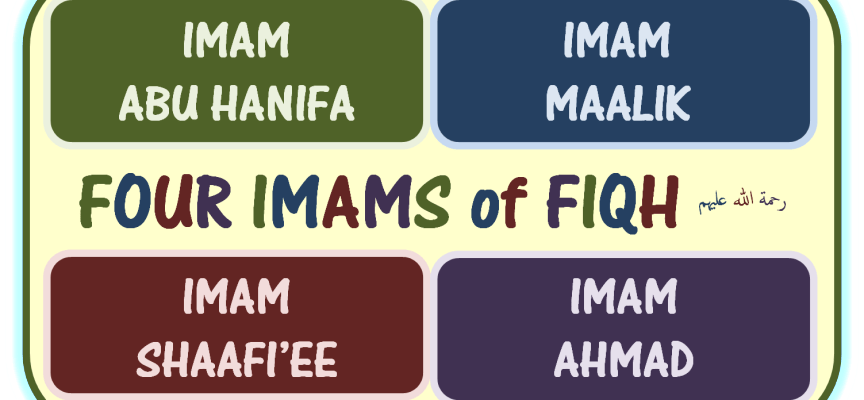
They the other companions and madhabs also have a valid system and there is nothing wrong with hanbali shafi’I or Hanafi schools. What if the hadith contradict what the imams say, if you find a hadith that contradict what they say they all agree that if a explicit hadith is found you would follow the hadith that is authentic and sahih. This is a topic for the hadith scholars and if there are two hadith which seem to contradict but it may be shortened and its possible he did things differently at different times or he allow things to be done in different manners. I should also mentioned later members of the 4 schools sometimes differed than the original malikis. In the Hanafi schools the students of the imam gave opinions that the majority would follow and they came after.
A bit into the history of the conquest of islam and its relation to the Maliki madhab

Expanding the lands of islam to Africa through means of Jihad
After the prophet died the first 4 khulafa conquered many expansive lands in Jihad as far as Africa in example Nafia’a and his son conquered north Africa (almaghreb) they destroyed pagan Berber kingdoms once they took over everyone converted to Islam (from other false religions such as Christianity and they went as far as Nigeria and the Fulani ethnic groups claims that one of them married a Fulani women and they have a sahabi genetic root from that ,they also conquered Persia, other sahabis were dispersed in other conquered lands Bilal lived in Syria sa’id ibn waqas went to china.

Sending of many learned men to different areas of the Muslim lands to teach Islam
Caliph umar al aziz was only ruling for a few years and he was praised as if he were among the khulafa he sent tabi’is around the Muslim world to make sure they would not follow bidah but follow the true Islam. The maliki school developed a lot from the northern African Arabic countries and many ulama from north Africa followed this madhab. In the north Tabi’in where sent to kufa (Iraq) in the west (Africa) uqba ibn nafi was sent and he is known as the conqueror of Africa as he expanded Islam into Africa and his conquest still is seen today!
The old Malikis vs the new Malikis
The Maliki school is split between the earlier generations and the later generations with the cut off for this being the great scholar ibn abi zayd who was a berber who from qarawawin the biggest city during his time (now it’s a town in the desert). Ibn abi zayd studied with students of malik and wrote the risala of ibn abi zayd at the age of 17 which is a relied upon intermediate text and he is both loved by the proponents of ashari and athari creedal schools of thought (both claim he followed their creed). There was khalik ibn ishaq al jundu from the later generations and he is probably the most influential of the malikis because of his book mukhtasir al Khalil and another great maliki work is the the al-Mudauwana al-kubra written by Sahnoun who was from tunis as well.
Why is North Africa Maliki and not Shafi’i or Hanbali?
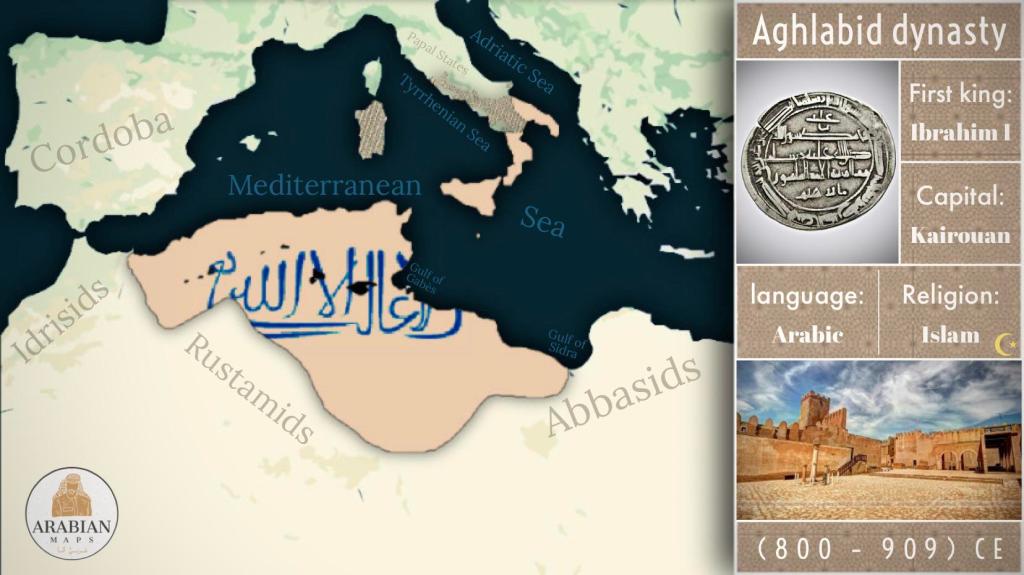
The Mudauwana is one of the best sources to know the opinions of Imam malik and is a corner stone of the Maliki school of thought! The maliki madhab became popular in north Africa and one reasonfor that is Its very easy to change the course of history if you just kill 20 ulema then you can change the madhab makeup of an entire region. There was a dynasty called the aghlabid dynasty that conquested tunis and the areas adjacent to it on the behalf of the abassid calaphis, originally they preferred the Hanafi madhab over Maliki fiqh and if that had not changed the Hanafi madhab would have taken over the Muslim world and beyond but thanks to Allah that did not happen and the maghreb is Maliki alhumdullilah (although the Madhab of hanifah is also valid).

Hanafi oppression of Malikis during the life of ibn sahnun
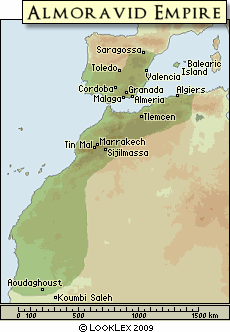
The hanafis did not treat the malikis well during the life of ibn sahnun, the Malikis would rebel against the government until it was synonymous with anti government sentiments to the point that your against the government you would follow the maliki madhab. The kingdom saw that to reach the people they would have to work and collaborate with malikis whereas before they oppressed them. That’s one way the schools would spread historically they would usually work as judges and ibn Sahnoun lived in this chaotic period, he was oppressed for rejecting the creed of the mutazila which in the classical period correlated to the Hanafi school of fiqh. The islamilis took over the same area and they allowed a sunni kingdom to rule and finally to skip ahead the Almoravid berber empire founded in modern morocco who were extremely maliki. The almoravids took over all of the maghreb eventually and in my opinion they were awesome and had many achievements and built many awesome buildings that are still standing today!
The Malikis have won over Africa and vast parts of the middle east
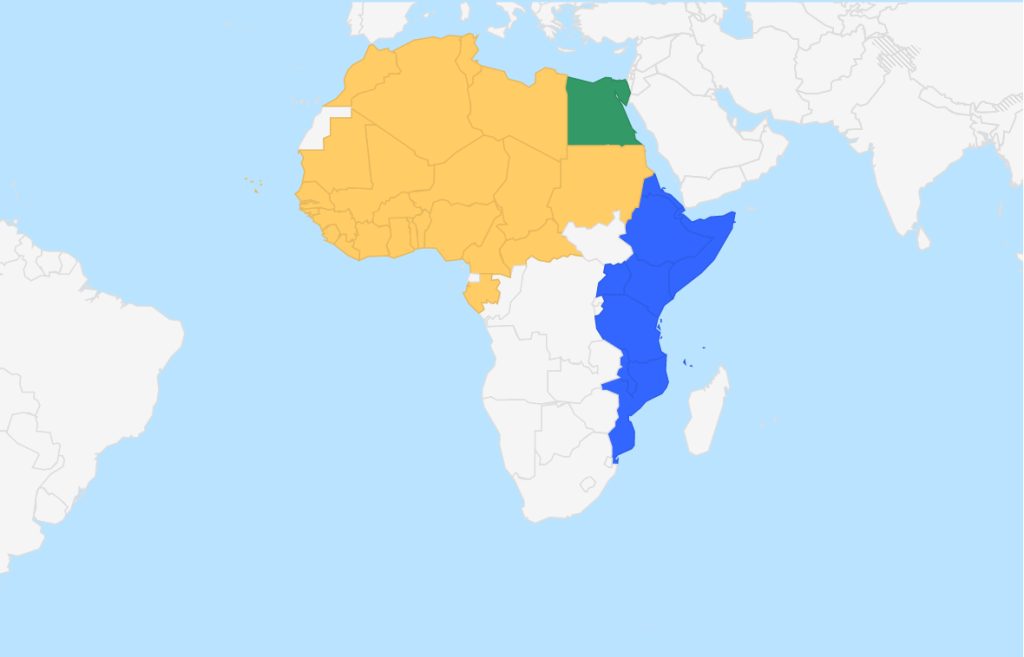
After the successful conquest then the malikis were promoted in north Africa and after that all other schools and sects were pushed out. When the berbers traveled through west Africa the madhab of Maliki came along with them until west africa become maliki over 200 million west Africans are Muslims and maliki. The upper nile area of egypt is also maliki but now a days egypt follows the hanafi madhab, the Sudanese is also mostly maliki in fiqh. al andalus (Islamic Spain) was maliki, ibn rushd lived in Islamic Spain and is a well qoued Maliki jurist with many great works, eastern Saudi Arabia is also following the maliki school this fact is not well known as its mainly hanbali in today’s time. The UAE is maliki and maliki is the official madhab of Kuwait. The maliki school is widespread but the Hanafi is the most widespread school as they spread madrassa a lot and spread their school everywhere they live in.
The Maliki Madhab is purer than other madhabs
The malikis have got the reputation of being the strictest madhab due to it not diverging from the ways of Medina. The akham of wudu and the maliki school has the least leeway in that and other reason is that the maliki school has had less theological debates and influences of persian/Greek philosophy it is more of its original self. North Africa the maliki heart land has had a monopoly in the fiqh department.
The strict view of Apostasy in the Maliki madhab
The Maliki madhab is lenient in food but strict in specific rules such as its apostasy ruling, if you apostate you will be killed in all madhahabs but the Malikis will want to kill you quicker within 3 days where as other madhabs will give you more free time to return back to Allah(3 months). In the maliki madhab you will be executed swiftly and you cannot recant the joke if you were joking. In the early periods of Islam If anyone committed an act of hersy they would make sure that they would go to the maliki court because the maliki court would execute you more surely and that is a appeal of the maliki school because its authentic and not compromised and watered down and that is an appealing to many seeking authentic Islam.
Modern liberals claiming the Maliki madhab
The maliki madhab attracts many loose Muslims in the west and I am not sure why as the Malik madhab is not at all progressive or liberal but I have theories as to why. Its possible they follow the Maliki madhab due to certain so calle dmaliki speakers who are liberalized who distort the true teachings of Islam to unsuspecting Muslims who follow their kufr teachings. We will mention major Maliki figures, imam malik ibn Sahnoun, ibn mahson, ibn arafah brought the concept of urf, culture can be a source of Islamic law and that is surprising to many people, its not as dominate as the Quran and sunnah but it can be used as a source of Islamic law and perhaps this is another reason why liberals try to claim the Maliki madhab and allow many acts in the name of urf.
The Jihad of Usman don fodio and the sokoto caliphate and more notable Malikis in history
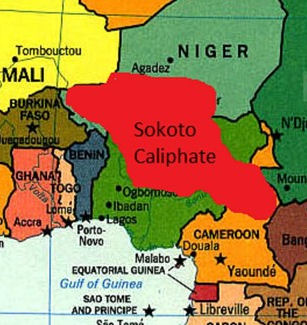
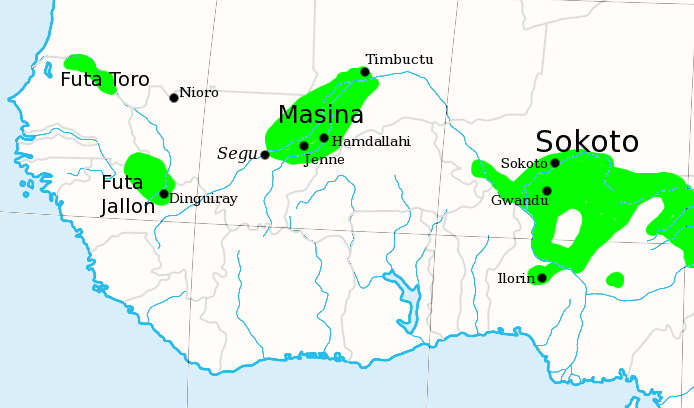
Utham don fodio is a well written maliki sufi scholar from Nigeria who lived in the 19th century, he is well known and loved due to the fact he waged a huge jihad in west Africa beginning in the year 1804 expanding the borders of Islam to many lands under his leadership. Usman don fodio was a religious reformer who wanted to purfiy islam in the region and remove what he saw as bidah and false teachings being prelevant in west africa! ibn batutta was a traveler of epic proportions as well as a Islamic judge likewise ibn khuldun worked as a judge but he was also a historian. Ibn rushd was famous philosopher and Islamic jurist, ibn abdul al jaziari did jihad against the invaders. It is clear we made the right decision to follow the maliki school of thought our history is with the permission of Allah very rich!
The Fula jihads
The Fulani of west Africa are known for being pious Muslims and Mujahideen those who wage Jihad often and frequently in the 18th-19th centuries they waged a series of military campaigns in modern day Nigeria and Cameroon Senegal called the Fula jihads which lead to many battles of epic porportions to be fought in the maliki lands of west Africa to reform the false beliefs being adhered too at the time and to expand the differing warring Islamic kingdoms who similar to the north Africans and elsewhere constantly fought over land resources money and slaves! During the time of the Fula Jihads European colonialism was occurring simultaneously at varying rates. The Mujahideen of west Africa engaged in many battles with the western colonist with varying success levels causing Muslims who previously fighting each other force to interact and unify together!
Imam Shafi benefited from Imam Malik
Imam shafi’I was a student of imam malik and imam malik was also benefited from hanifa they speak together and met each other in their lifetimes and had dialogs about islam. A man would come to imam malik and he would say go to imam so and so despite disagreeing. Imam shafi studied the muwatta with malik and he to study under imam shafi’I students. A shafi’I is a maliki because the imam studied under malik and that is the statement of the a sheikh from cairo. Imam shafi’I merged from both Hanafi and malik and imam hanbal studied under imam shafi’i.

Different streams of modern Maliki thought
Modern malikis are different in their respected countries (Morocco,Tunis, Algeria, the gulf) they have some differences but not differing on the major things. The Kettani family have their own opinions on fiqh. Some Maliki scholars from west africa also hold the opinion you can pray with your hands on your chest. West and north Africans who follow him pray with hands on chest. Malikis who are Athari in aqeedah who consider themselves Salafi in aqeedah and Malikite in fiqh also prefer praying with hands crossed. Praying with hands upon chest or with hands resting is both acceptable in the Maliki school of thought.
The Maliki madhab is against reformation
The maliki madhab has developed the most reasons for the shariah, murder is wrong and why of it murder is wrong and that reason is that Allah says it is but also it reduces safety and we can speculate why is that. Liberals can be attracted to that, muqas al shairah the over all objective of shariah. Reformist like to use this to change the religion, they will say Islam is over all about justice and if that is the case we should close the wage gap as a result of this. The after effects of the NOI had an effect when they left the kufr of it they adopted the malik madhab and also hamza yusuf had an effect on that.
Congratulations for learning the introduction to Maliki madhab and bravo if you follow the madhab of Malik you have made the right choice to learn the fiqh of Medina!
 Authentic Maliki
Leave a comment