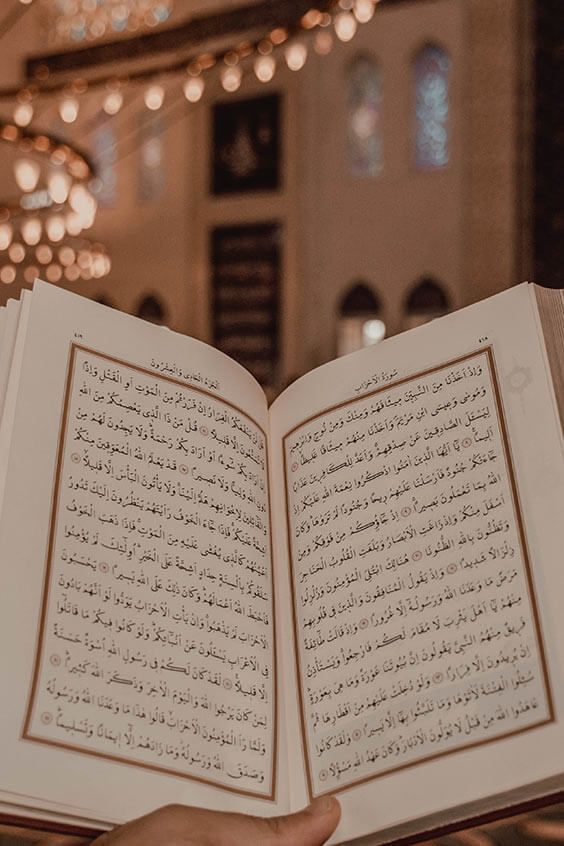
Introduction to the Obligations and etiquettes
Once you learned all your obligations you must learn how to perfect your practice of Islam by learning the additional acts which give you what is called ihsan which is reaching a level excellence in your Islam! The 1st obligatory belief is that every Muslim must believe that Allah is one and none shares in his dominion. No one has his divine attributes and all existing things have a creator (in the seen and unseen world), Sheikh sharnubi says that its not obligatory exclusively for Muslims but rather everyone should believe in the Aqeedah of Islam but only the Muslims are submitting to theses facts (acting upon). Everyone ought to believe but few do and among those who do believe few give Islam its due right.
Competition of ideologies in the dunya
Allah has ordained there will be a contest of ideology of different ideals and beliefs in the dunya who would all compete for followers as well as soldiers which are inspired by satan to derail you from the path of Allah (The true reality of the world). Some of these soldiers influence you spiritually (Jinn) others influence you from the shayateen of the flesh (wicked men) who use media,money, military might and various methods to derail you from the path of Allah.
The Aqeedah of the Muslims
The aqeedah section of muqaddima al Izziyah is brief more so than other fiqh books of it category who go far more in detail regarding the obligatory beliefs of the Muslims. Most fiqh books have a aqeedah section in the front rather than the back of the book but Sheikh abu hassan is unique that he puts his aqeedah section in the end of the book. The aqeedah section is paramount in books of fiqh because your acts are by its intention and what you know in the religion if your aqeedah is wrong then the deeds are fruitless are you are not upon Islam despite claiming Islam as your religion!
Muslims do not follow Greek philosophy
Muslims do not follow Greek philosophy, many Greeks were monotheist but they are kafir as they did not profess the belief in the final Prophet! Muslims differ from the other religions in that the Muslims have specific divine information whereas other religions such as the Jews specifically have the universal idea but they lack the specific like wise the Greeks and many others had the general idea of monotheism but without the specific! Muslims follow the revealed religion unchanged from Allah with specific knowledge from Allah.
Existance (Wujud) Allah is self existent (Ghina mutluq)
Allah is The necessary existence wajib ul wujud without a necessary being existence cannot be explained nor would be possible, Qidam time before time (eternity) Belongs exclusively to Allah alone. Sheikh ibn as Subki and jalal al mahalli said Qidam necessarily belongs to him and this means to deny any existence prior to his existence. As Sanunsi said in “al wusta” It is also necessarily true that Allah exist by himself independent without any outside force.
Allah is unlike his creation in anyway (Mukhalafah), Allah has power knowledge, a will and speech
Allah does not resemble his creation, Ali ibn Abd as sadiq said: “That means there is absolutely no resemblance between the creation and him, not in respect to his essence, attributes or actions”! Azali abadi Preeternal, Allah is living Allah is capable of doing things he has power (Qudra) that is divine Mayyara said “Power is a attribute by means which what is potential being brought out or into being in accordance to his will.”, Allah has a will (irada), Allah has knowledge (ilm), Allah is all hearing and all seeing(as sam wal basar) and has speech(kalam).
What are the asharis/Atharis school belief on the topic of Allahs attributes?
The ashari school says that Allah’s attributes are not him or separate from him. Allah is singular in his essence or Allah is simple in philosophical terms which means is of a singular essence he is not made of parts. He does not have physical parts, the ashari school in regards to the hands of Allah says it is not a human hand or a physical hand it can refer to Allahs power and the Atharis have a different view on this saying Allah has a hand which is affirmed by Allah’s own sayings in the Quran and the Muslims affirm what Allah has said about himself without modality (without explaining the divine attributes and without likening it to the creation).
You must have faith in these following things
You must have the correct aqeedah which entails your beliefs must match the first Ummah of islam and the 2 subsequent generations after. It is written in the commentary acceptance of the messenger and what came with them meaning his revealed scripture (Quran and Sunnah). You must have faith in Allah and his messenger it is Allah who sent his messenger with the Speech of Allah and what is like it (its context and explanation) to obey Allah is to follow the Quran to Obey the messenger is to follow his hadith. The prophet Mohammed was sent with text but not all messengers were sent text (Holy scripture) with them despite this you must believe in all of the prophets and messengers despite if they have scripture or not believing in totality what they brought with the prophet mohammed being the last and final prophet in a long line of prophets.
What if someone believes in Allah but not the prophet?
If you did not believe that the prophet is the last and final messenger then this person is not a Muslim but a unspecified monotheist who if he rejected the last prophet he is a person of hellfire as the prophet said whoever rejects me after knowing about me is a kafir. It is mandatory that you believe everything the prophets brought was the truth. It is impermissible to accept part of shariah and reject other parts except that you would be a non Muslim (Things known by necessity). The usul is that he is true and what he brought is true not that the prophet added or exempted any information and that he perfectly taught the message and lived according to it.
Punishment of the grave and the day of judgment, the sirat and the mizan
Also obligatory to believe is the punishment of the grave and the day of judgement, and the sirat and the mizan (scales of deeds), and everything that is hidden from us the ghayibat (angels and jinn are examples). Also to believe that what Allah does not will does not exist, it is known in the Ashari school of thought that all that exist are willed by Allah, nothing existed without his will but of their own power they exist they would be all powerful and able to resist Allah as they are independent of his will. There are some who have strange beliefs that people have such as the day of judgement will not happen or that is has happened already or what will happen to the body, many other debate about the events of the day of judgement whether they are literal or metaphorical as well.
What is emaan?
Emaan is belief in the heart, pronouncing with the tongue and actions with ones limbs. The significance is that there are those who says faith in only in the heart and does not necessitate action but this is incorrect action is necessary, it is reported from the companions that they said faith is statement, and actions that confirm or negate your emaan (if your actions contradict your statement of faith it negates your Islam). The speech of Allah is self sufficient and existing and from ownself within him this contradicts the claims that the Quran is created which is a false belief, Allahs speech is preserved in the breast of men and their minds.
The believers will see Allah in the afterlife
The believers will see Allah and he will speak to us, sharnubi says The believers will sees Allah but bilahikayf, without modality we do not know how they will see Allah who does not have an image and if you were to get into details in how this will work you will get confused or say something that is incorrect as material human beings for us to see something it will be thought as limited or physical, In dubai everyone can see the burj khalifa but Allah is not physical as the building but without modality on that day Allah will be able to be seen, The mu’tezila rejected this as they found it logically impossible. The Mu’tazila believed in Allah they were not atheist but they had a different methodology at interpreting the sources of Islam that were incorrect and rationalist which contradicted the way of the sahabah.
The companions and the first 3 communities are the greatest of the Muslims
The Muslims of the first generation are the best of the Muslims the best of emaan and practice to speak to them would be to speak to someone who lived with a prophet who received revelation from Allah direct. Just by vulture of living around the messenger they were scholars of the religion, everything they did was correct as they didn’t need Islam books they simply emulated the messenger when they prayed among him and did jihad with lived among him. This does not mean the first generation did not have mistakes but it shows the virtues of them that they lived with the messenger they can be taken as a proof within the religion, those after them are the next best generation and after them which equals 3 ummahs. There is a view that each generation of Muslims after them is worse than the last a view that many Islamic scholar hold but non disagree that the first 3 generations are the best with the first of them being the best of all. The most virtuous of the first generation are the companions of the prophet with Abu bakr being the best and so on with only the shia and ibadis rejecting the sahabi except a few.
Abu bakr was the greatest companion/disagreements between the greatest generation
It was clear that Abu bakr was the right man for the moment who help save Islam in a critical time, those who reject this are people of desires and are not to be taken serious, Ali in abi talib eventually become the khalifa and each was the right man for the time they ruled in, it is said that we do not mention them (conpanions) except with goodness. The prophet endorsed his companions while knowing more about them than we ever did not to mention he received revelation. The shia accuss sunnis of wanting to hide the fact the conpanions had disagreements but rather it is wisdom not to focus the dawah on what the laymen do not need nor can understand, There is no evidence that the conpanions or early Muslims ever had a different religion or aqeedah, they made personal itihad in their time to deal with the political issues at hand but surely they did not have a different religion or were insincere Muslims, scholars can disagree while being from the same camp
Muawaiyah was a righteous Muslim
Muawaiyah was a rightous Muslim man who had emaan and did many great services for Islam despite the claims of devient shia sects who slander and pronounce takfir upon those of the greatest generation! Muawiyah conquered cypress and the Byzantines and engaged in Jihad with the Christians constantly he was a sincere Muslim, disagreeing with other companions does not lower their status sheikh sharnubi mentions that each person of ithihad has their own opinions we must not forget the sahaba are scholars in their own right.
Sending prayers upon the prophet
Sending prayers upon the prophet is obligatory at least once in your life or better constantly. Sheikh sharnubi a maliki disagrees with those who say sending peace upon the nabi is a bidah he says it is wajib. The prophet is responsible for spreading the ilm of Allah you must send peace upon him and praise him in a way that is permissible.
It is not allowed to mispronounce the words of Quran
This refers to mispronouncing it on purpose while knowing is correct way of speaking not for the non arabs who embrace Islam who have accent in their Arabic as is the case in our modern times whre millions have embraced Islam from non Arab backgrounds who learned Arabic but make slight mistakes but it is said the one who cannot pronounce the words clearly should not be imam!
Backbiting and slander
Also forbidden is back biting (gheebah) and slander. What is the difference between backbiting and slander? Backbiting is to speak ill upon someone behind their backs, Backbiting is haram whether the information is true or false but slander is lying upon someone purposly with malicious intent. It is allowed to reveal the sins of person looking to marry someone who is asking about someone but in most cases you cannot backbite someone or slander them.
Lying in impermissble/ Lying to kuffar in a time of war
Lying is impermissible, you cannot purposely make up lies about someone or something Muslims are instructed to tell the truth. You are allowed to lie to the kuffaar in a time of war to deceive the enemy you can lie to your wife if she ask if she looks good despite not.
Extortion and riba upon loands
Impermissible is stealing and extortion as well as riba on loans. Using peoples funds wrongly (eating the funds in the commentary) is impermissible if you told your brother your in debt but you are not then this is deceiving the funds of another to harm them, (enbezzlemnt is haram). Allah says do not eat the wealth of eachother wrongly, there are many types of this among them enbezzlment and taking from the miskeen (orphan) the prophet himself was a orphans, Allah says those who eat the money of orphans are oppressors and will burn in hellfire.
Bribery is impermissible
Among the greatest corruptions on earth is rishwah (bribery) in matters of legal cases, the prohet said every bit of flesh that has been nourished through corruption it is the first that will reach the fire. From this we every bit of flesh that is from corruption will reach the fire. The people asked the prophet what is corrupt he replied bribery in legal judgments but not exclusively in legal judgments. Many people want corrupt judges and men of authorities that can be bribed and will bribe others this shows the condition of a sick society.
Ibn taymiyyah’s quote about justice leading to success
Ibn taymiyyah says a non Muslim nation which implements justice will have success over a Muslim nation which does not have justice which means the great sheikh observed that the basic societal and sociological needs and thinking as the kuffaar are also humans although many live as if animals and by implementing their version of justice they excel in the duniyah although their akhria will be lost. We see this in our times in which nations of kufr have excelled in the dunyah over Muslim majority nations, although Muslim rulers are corrupt they reflect their corrupt society so change of the masses will bring about change of rulership.
The judge who takes a bribe is cursed and his rulings are null and void
Allah curses the one who gives and takes the bribe, This refers to bribery of all things and many scholars say taking a bribe in justice is kufr takes you out of the fold of Islam and this is the view of many classical ulema. If a judge takes a bribe he must be immediately removed of his position and if he is not taken from his post every judgement is void that is the view of Abu hanifah. Abu hanifa is referring to the unjust nature of the world in which a illegitimate man of authority who would keep his post, he is showing the laws of the state and the true Islam law as its possible the laws of the state contradict the true Islamic law and that is what we see today. The judgments of corrupt men of power are void and have not religious authority. It is important to know that Muslims have not always had true and righteous Muslims who Implement authentic shariah abu hanifah himself was the most authoritative jurist of his time was threatened by the ruling elite and was imprisoned and beaten as was the case our Imam Malik. The corrupt rulers of his time said you are the grestest judge and abu hanifah said that is not true the ruler responded you are lying and he abu hanifah responded all the more reason that I should not be a judge if I am a liar.
The Maliki jurist view is similar to the hanafi view
Imam qurtubi says it is not permissible for anyone to differ from this view that bribery in justice, bribery is a matter of corrupt behavior and a fasiq cannot give judgments, some jurist allow a fasiq to give judgments but in the maliki school qurtubi and sharnubi do not allow this and beg to differ a corrupt judge has not legal authority and his judgements are to be ignored if possible.
Rejecting faith nullifies the actions
Whoever rejects faith he has kufr and has nullified his actions and in the afterlife is among the losers. Someone who takes bribes is someone who makes the halal haram and haram halal which is kufr disbelief in Allah. Had he commit haram in his own life he would have been a sinful Muslim but to legislate in the religion after Allah can be kufr which takes you out of the fold of Islam making you a infidel who can be executed by the Islamic authorities. When you eat or drink saying saying bismillah is mustahab highly recommended as is saying alhumdullilah when you finish eating or drinking. The prophet would drink in 3s that is a sunnah. You eat and drink with your right hand, the left is reserved for cleaning.
Eating and drinking
You do not blow into the food or drink, It is prohibited for a man to wear silk or to sit upon it as is prohibited a man to wear a gold ring or any jewelry that is made entirely from gold, when he mentions ring he is referring to all forms of jewelry but in his time they could not imagine to jewelry we have today, in regards to mixed silk its halal but makruh, the prohibition refers to pure silk which is quite rare and these restrictions only apply to men not women (men give gold to women as a sadaq).
putting on articles of clothing and taking off
It is mustahab (highly recommended) to begin putting on shoes with the right show and take off shoe starting with left shoe, Muslims begin things with their right and inverse actions are done with the left, when putting on a shirt starting with a right arm and taking it off with using the left arm to disrobe.
poems that show the talents of the scholars in Arabic language
Sheikh alujhuru mentioned a poem about fruit in the commentary which was very interesting, when studying fiqh you are also intellectually immersing yourself into a rich culture and in the book there are many poems showing how skilled they were in the Arabic language to put the words together in a unique way.
Playing chess and other than it which waste time
It is forbidden to play chess (chataranj), chess originates from India/persian it was made haram because it is a activity that causes one to waste time and neglect their religions and responsibilities sheikh sharnubi says it’s a minor sin not a major sin and also applies to other games from his time. Some scholars have said chess is good for your mind and causes you to become mentally sharper/ thinking ahead and planning ahead which is a beneficial mind exercise. This is not a binding ruling as the usl is that wasting time that is being prohibited as games are not the only time waste but sheikh sharnubi specifies chess and Despite many scholars prohibiting chess muslims have historically played chess and it’s a fixture in the Muslims world as well as the western world and beyond.
Sheikh ibn taymiyyahs reaction to chess
Sheikh ibn taymiyyah was known as a anti social person, he did not let things slide nor was he interested in making people like him he was stern and when he saw 2 men playing chess he flipped their board and stated it was haram, in the modern world many things we do is a time waste so potentially many of us are committing this minor sin time waste. Modern humans also depending on where you live do far less work than premodern humans who had a far more strenuous daily routine and schedule. A interesting point is that you do not see many scholars bring up this point in our times or they will only specify chest as being haram a minor sin and omit other equivalents, Those are the many different views regarding this prohibition of chess/time waste activity.
Banning of gaming in some Muslims countries
Pakistan is a Muslim country have banned pubg mobile and fortnite due to suggestive themes and gambling in loot crates which is a interesting point how modern gaming leads to time waste but also gambling as well as online free mixing are all results of modern gaming on the Muslim youth
Making of images of living things that are fully complete of those which cast a shadow
It is prohibited of image of a human or any living thing, sheikh sharnubi says this is if the imagine is complete and caste a shadow then its haram but if its incomplete and on a flat surface and does not cast a shadow its makruh not haram and that applies also to digital 3D images which do not cast a shadow. Children use images in learning in their formative period and images can be useful in educational settings.
Muslim art through history is influenced by this prohibition
Muslim art and architecture is usually abstract art or complex geometry, quite the difference to European style art who prior to converting to a Abrahamic religion (also post conversion) built many statues depicting living creatures of various types or Pre Islamic Egypt which featured the depictions of many strange hybrid beast such as the body of a man with the head of a dog and in Hindu India we see many statutes of deities that were worshiped and imagined by the people of India, also we see a connection between statue building and pagan religions!
Why is making Images of living things prohibited?
The Idea of prohibiting the creation of images is to prohibit idol worship as its starts from the creation of images to the veneration of them, Ibrahim destroyed idols and from the later prophets Musa also destroyed idols. We see idol worship has been a fitna since time and memorial. The view of sheikh sharnubi is that not every image is an idol it needs to be complete, if you drew a human but left off the legs or the head then it would not be considered a complete imagine or that which doesn’t cast a shadow which would be 2D images such as 3D digital models. Children drawings are also fine, some scholars take a very strict view others take a more mellow approach depending on their school of thought and others go away from the view of sharnubi and build statues of national heros like in Egypt and north Africa unopposed by most scholars in the area.
Umum al balwa in regards to this in modern times
Umum al-balwa principle in this current era you are constantly see images its impossible to not be able to see it just to take a walk in a major city center you will see status 3D and 2D upon every surface as its seen as a sign of civilization to build statues and advertise products to show your economy is functioning, I mentioned this because in todays time these prohibitions have become almost nearly impossible to avoid.
Greeting with salam
It is a sunnah to greet a Muslim with salam and to respond is a fard kifiyaah. If someone walks into a masjid and says salam the burden to respond is lifted upon you if others in the room have responded it is not fard al ayn in that case but would be a nice gesture of brotherhood to all salam but possibly impractical if the room is large.
Disliked greetings
It is disliked to greet with the hand when you say the salam, sheikh sharnubi intends by this statement is a handshake unless its someone you are greeting someone with authority like a sheikh its makruh to greet with a sign of the head or the hand without saying anything but if you do pronounce the salam along with it then its allowed. The prophet says do not imitate the jews nor the Christians for the jews is the greeting of the fingers and the Christians the greeting of the hands. This is a prohibition of greeting Muslims in a way similar to the kuffar as imitating the kuffar in their customs is forbidden in Islam.
People whom is prohibited to give salam too
Nor should you give a salam to those who follows their desires such as the mu’tazila or the rawafidh (Shiites). In today’s time the mutazila are not plentiful in number but the shia unfortunately are plentiful. Sheikh sharnubi also says do not greet the time waster such as the chess player and perhaps in the modern context a game addict or phone addict.
Greeting the disbelievers
The dhimma should not be greeted with salam, some eulma allow you to return salam if the kafir gives it to you first faithfully although its not correct to greet them first and you should say and unto you if they say a wicked statement. It is not the sunnah to greet someone who is in the state of prayer and they do not have to respond to prayer and someone who is riding something should salam.
Entering into someones house
Its not permissible to enter someone else’s house without invitation, the way you enter is by asking may I enter and if they deny you can ask them 3 times and if they deny you cannot enter and should go away, if they ask whos there you should give your name or kunya that they would recognize you by, you should not respond to who is there with “me” (its possible your voice is alike to someone else).
Sneezing
Blessing the one who sneezes is fard just as returning a salam is fard and responding to the blessing is mustahab but not obligatory. The phrase is the same in english as in Arabic why is that so? The answer is the due to convergent cultural evolution due to the black death which both the Muslim and Christian world suffered from at the same time. If you sneezed in Europe they would say bless you as it was possible to die within days after the first sneeze likewise if you lived in Damascus and you sneezed they would say bless you in Arabic language. Its not permissible for a Muslims to abandon his Muslims brother (excommunicate) his Muslims brother for more than 3 days. When you are married you should not go to be angry with your spouse. 2 people should not have a secret conversation in the presence of a third person (excluding them from the convo), it is forbidden for a man to be in seclusion in a room without mahram (shaytan would be the 3rd in the gathering) likewise its forbidden to see a woman without your veiling.
The seal or the conclusion of the book
A Human being should not look towards doing a thing except that it reaches something good/beneficial to his eternal dirham for his worldly life. He should leave all that does not benefit him and protect himself from distractions and useless things and stay away from what is doubtful and to be fair and treat the people among him fairly and deal properly with them. He must be patient and when he sits with a scholar he should see them with the eyes of majesty (treat them with great respect), he should try to understand what a scholar says to him, if he is discussing a intellectual matter he should have it with sakeena calmness he should not be arrogant doing all things with good adhab beautiful manners and this is specific to a student of knowledge (especially student of knowledge).
Allah is generous that what he commands benefits you in this life and the next life whatever you do in sins will only waste time and money and harm you in the long run as well as the akhira but what Allah commands helps you in both regards. Sheikh sharnubi last statement is the parallel as the beginning of the book he ends it off with praise as it started off with praise, it begins with the mention of God and ends with the mention of God he also send blessing upon the prophet, whoever sends blessing upon me in a book the blessing….the uelma send praises on the prophet in their books for this reason they praise the final messenger much in their scholar works including the book of sharnubi Al kawaqib al duriyyah!
congratulations you have completed Muqaddima al Izziyah and its commentary al kawaqib al duriyyah explained by me in my own words, be proud of yourself !
 Authentic Maliki
Leave a comment