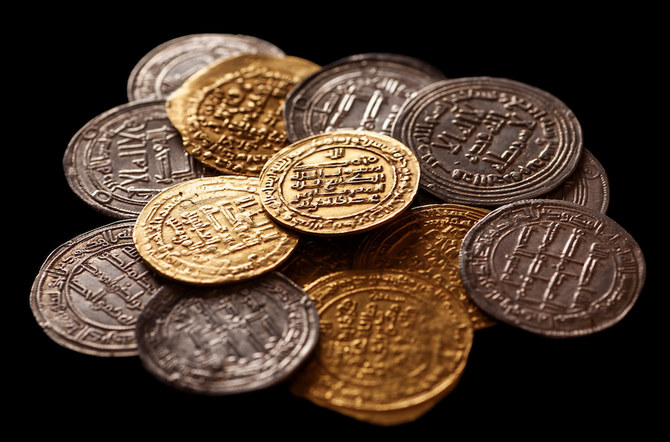
Zakat is a specific amount taken from a specific type at a specific time to be used in a specific way. It is fard upon every free Muslim regardless of gender and also regardless of their age and sanity. Zakat has a basis in the Quran and Sunnah, it’s a path to the purification of your money Allah Speaks about Zakat in the Quran “surah tawbah”. If you do not pay zakat then that money is sinful for you, taking zakat from your income makes your money pure once the needy receive your zakat.
The ruling on the one who does not pay Zakat
Zakat is a serious matter of creed it is one of the 5 pillars of Islam. Zakat is something that has a basis in the Quran and Sunnah and its impossible to deny it, there is no iktilaf upon this. If a Muslim denies that Zakat is not obligatory (has no basis in Islam) then he effectively becomes a kafir whos blood is no longer secure from the ruling Islamic authorities just as Abu bakr fought those who denied Zakat being wajib that is because after the death of the prophet there were those who accepted to pray but denied paying zakat, Abu bakr fought them killed those among them and gave them the treatment of the hostile non Muslims thus he is accredited for saving Islam (with Allahs permission) in a very sensitive time after the death of the prophet!). This is not a minority opinion or an extremist opinion but rather it is the ijma of all the madhahabs and scholars of the religion. The one who believes its wajib but refuses to pay then he is someone who is sinful but not kafir and his wealth is not purified. This type of Muslim is someone who has hypocrisy is his heart but he is Muslim but there are scholars who beg to differ such as Ibn Qudaamah who said if one refuses but believes it to be halal the Islamic state should forcefully take it from them and punish him (ta’zeer)
How much money do you need before paying Zakat?
Zakat is wajib and it’s a sin that is punished in both this life and the next life. The amount paid is 2.5% after you have $5000 usd in your savings. Abu bakr as saddiq ﵁ introduced many into things into the religion such as allowing livestock to be used in zakat as a alternative to cold and silver coins as livestock in itself is a form of wealth that can be liquidated and exchanged for the currency effectively making it a form of wealth that is zakatable. It was collected in Bahrain, Bahrain in the old days was not just the Island in the persian gulf I believe Qatar as well. All domesticated land grazing animals are zakat eligible once you have a specific amount.
The specific requirements are as follows
- You have A large amount (of that type of beast)
- You owned it for more than a year (not borrowing it)
- You have full ownership and do not partially own it as a slave
Zakat on the Camel
For every 5 camels a sheep is due that is in its early age of around 2 years old but if goats are more plentiful then a young goat can suffice when the camels number is up to 9. If the amount of camels exceed 9 and reaches 10 up to 14 then 2 sheep are issued and so forth preferably a live camel to a zakat eligible person
Zakat on Cattle (cow) (Buffalo is also able to be used) (if you have both then use what you have more of for zakat)
For every 30 cows a youthful 2 year old male or female is due, for every 40 heads of cattle a 3 year old youth is due the author says you should take females but other opinions is that you can use either gender. There’s a hadith that the nabi sent ibn jabil to yemen to collect a Tabi’ (1 year old calf). Mu‘ādh ibn Jabal reported: “The Prophet sent me to Yemen and commanded me to collect a Tabī‘ (one-year-old calf) or Tabī‘ah (one-year-old cow)” Sahih/Authentic. – [Ibn Maajah]
Zakat on Goats and sheep
For every 40 sheep or goats 1 youth is due, It seems according to the pattern outlined within the fiqh that you don’t give your strongest or weakest animal in zakat and that creates a sustainable model of charity. The prophet ﷺ encouraged that the rich give to the poor and the poor do not take the best of their wealth
Imam Malik said regarding sheep
Malik said, “If there are more sheep than goats and their owner only has to pay one ewe, the zakat collector takes the ewe from the sheep. If there are more goats than sheep, he takes it from the goats. If there is an equal number of sheep and goats, he takes the ewe from whichever kind he wishes.”
Zakat on cultivation (agriculture)
Agricultural zakat is what is taken from the livelihood what is meant is the staple crops the things you live on. The word eish in Egypt means bread because it’s a staple in the preservation of life in Egypt. The 2nd category is also upon compound staples like beans lentils olives peas etc. Zakat is not to be taken from seeds herbs fig and fruits. The difference of opinion upon what is zakatable in maliki fiqh is that zakat is only upon the staples crops but not things like beans, the 2nd approach is upon anything that can be dried and stored and presumably eaten the hanafis say anything you can cultivate you can pay zakat upon. The nisab is that 5 loads and once you reach 5 loads (wasq – 60 sa’ahh which is 4 mud) then you are obligated for zakat. (1600 ritans, about 450grams) You pay 1/10th if you have watered the lands and gotten it without much effort, if you use machines and equipment then its 1/20th There as hadith that says the exact same thing.
Whom receives zakat?
Quran chapter 9 verse 60 “alms are for the poor and the pauper”
- The deserving needy poor, this person has some possession but for their own upkeep, He may have a large family he has money but it does not cover his needs for him to live dignified life. Sheikh Sharnubi says you give them what they need for what they need for 1 year, do not give over that or under it. The goal of zakat is not to make people rich but to meet their needs. Sheikh sharnubi says do not give zakat to a man with valuable assets that he can liquidate into funds. People dislike to liquidate revenue generating assets.
- The pauper (miskeen) This person has nothing, this person lives off the donations of others or through scavenging. He is even worse than the faqir he has not assets or savings. They should be muslims and freemen then the shafi’is disagree and they believe the faqir is more deserving than the miskeen.
- The one who collects zakat and is active in the roll of its distribution
- The one who is close to the teachings of Islam
- The slave, you can pay the debt and use money to free a slave bilal was freed in the early days of islam, a slave will be under the tutelage of the Muslims and this can extend to the Muslims who are under a ransom but most malikis forbid it. Imam Malik was against paying ransoms, imam malik had very harsh views when it came to war with kufaar.
- A person in debt, not on the account of corruption and fassad but a honest person in debt. The Muslim should not go into debt in order to receive zakat, A person who is in debt can avoid jummah and perhaps that is best until he can pay off his debt and receive zakat
- The Mujahid in the way of Allah other than the one upon the hajj. Some commentators says this Is for when the bayt ul mal is insufficient. The hanafis say you canot give zakat to a ghazi or he is rich. Malik scholars say equipping the mujahid is not just his weapons but anything that supports the war effort.
- The Muslim traveler provided that he is not a criminal and he is poor at the moment of receiving the zakat even if he is rich at home (He cannot access the money), and he cannot find someone to give him a loan, he should exhaust the possibilities before taking zakat.
It is proper to make use of gold in zakat but modern day we do not use gold anymore, you must have the intention for giving zakat sheikh Sharnubi says you do not have to tell him that its zakat you just know what its for in your heart. You should distribute the zakat in the place that it is being collected. The wealth should stay in the area, as for the Muslims in modern times who live among kuffar you should not waste your money on helping Non muslims who have a government to help them but rather use it upon the Muslims living there or send it abroad to the needy Muslims who are in great suffering who do not have a effective government to aid them. ↓
Zakat on jewelry
Gold and silver Jeweler is divided into 4
- 1. Those used in your attire
- 2. Those used for trade
- 3. Those which are rented out
- 4.Those stored up for the future
If the jewelry is encrusted with stones that may be damaged by removing it then the zakat of property is paid upon the jewels while the zakat of Gold and silver is paid on the Gold and silver content if it cannot be removed without damage then each is given its worth based upon the materials that dominates
Bonus facts: What if the Gold coins are diluted with another metal?
Sheikh Ibn Juzayy says that if the dinar and dirham are adulterated (not pure) with copper or some other metal that is less valuable than Gold and silver then its value is deducted based upon how much Gold and silver is within the coin as zakat is not payable on the copper or other metals.
 Authentic Maliki
Leave a comment